
YouTube Video A/B Testing: What the 2026 Announcement Actually Means
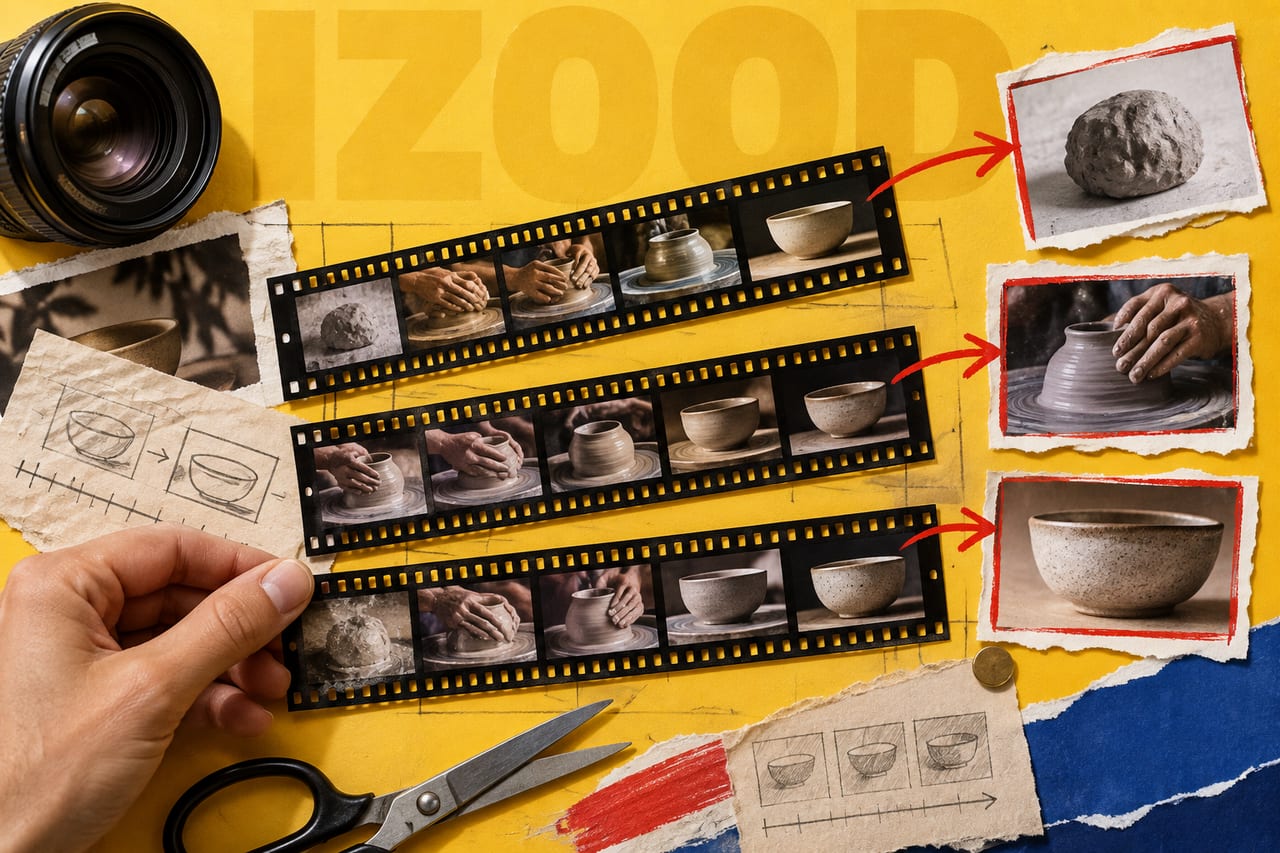
Quick answer: At Made on YouTube on September 23, 2026, YouTube announced that video A/B testing of up to three cuts is coming soon. It has not published a universal launch date or a full setup guide in that announcement. YouTube already offers experiments for titles and thumbnails, but testing alternate edits of the video itself is a separate forthcoming feature.
This distinction matters. A creator who searches for a “video A/B test” today may find advice written for thumbnail tests and assume the same menu already accepts different openings. The official announcement says the new feature will help creators see which hook performs best, but the detailed eligibility, metric and rollout rules are not yet stated there. The right preparation is to design a clean experiment now and wait for the actual product controls before claiming results.
What did YouTube announce?
In its September 23 creator-tools post, YouTube says creators will be able to test up to three video cuts. It places the planned feature alongside an existing title-and-thumbnail A/B testing tool and newer Studio features for research, feedback and thumbnails. The announcement specifically mentions finding a better hook, which suggests a useful early test: alternative openings to the same underlying video.
YouTube has not yet explained in that post exactly which channels will get access first, whether the feature applies to Shorts, how much traffic an experiment needs, or how a winner is selected. Those points are unanswered as of October 3. Do not build a production calendar around an assumed release date.
What can creators do today?
Review the performance of existing videos in YouTube Studio and identify a repeatable format with a weak opening. YouTube says its newer Insights and Research destinations can help creators understand performance and discover outlier videos. The platform also discusses its existing title-and-thumbnail experiments. These tools can improve your current packaging while you wait for video-cut tests. They do not substitute for the forthcoming video A/B feature.
If you want to test a hook now without the new feature, avoid publishing several near-identical copies of a video merely to compare raw views. Upload time, audience overlap and distribution can dominate that result. Instead, use qualitative review with a small audience and take notes on which opening communicates the promise fastest. Treat this as editorial feedback, not a controlled platform experiment.
How to design a meaningful three-cut test
- Write one question. For example: “Does showing the finished result in the first five seconds keep more viewers than opening with the problem?”
- Keep the core video stable. Change the opening and perhaps its immediate transition, while holding the rest of the story, title and thumbnail constant wherever the tool allows.
- Make each option genuinely different. A result-first opening, a question-first opening and a direct tutorial opening test distinct creative choices. Three tiny wording changes may yield no useful lesson.
- Choose a decision metric in advance. Once YouTube publishes the feature details, follow its experiment metric. Also inspect retention and viewer satisfaction signals that are available to you, without assuming one number explains every outcome.
- Write down the result and reuse the lesson cautiously. A hook that wins on one topic may fail on another audience or video length.
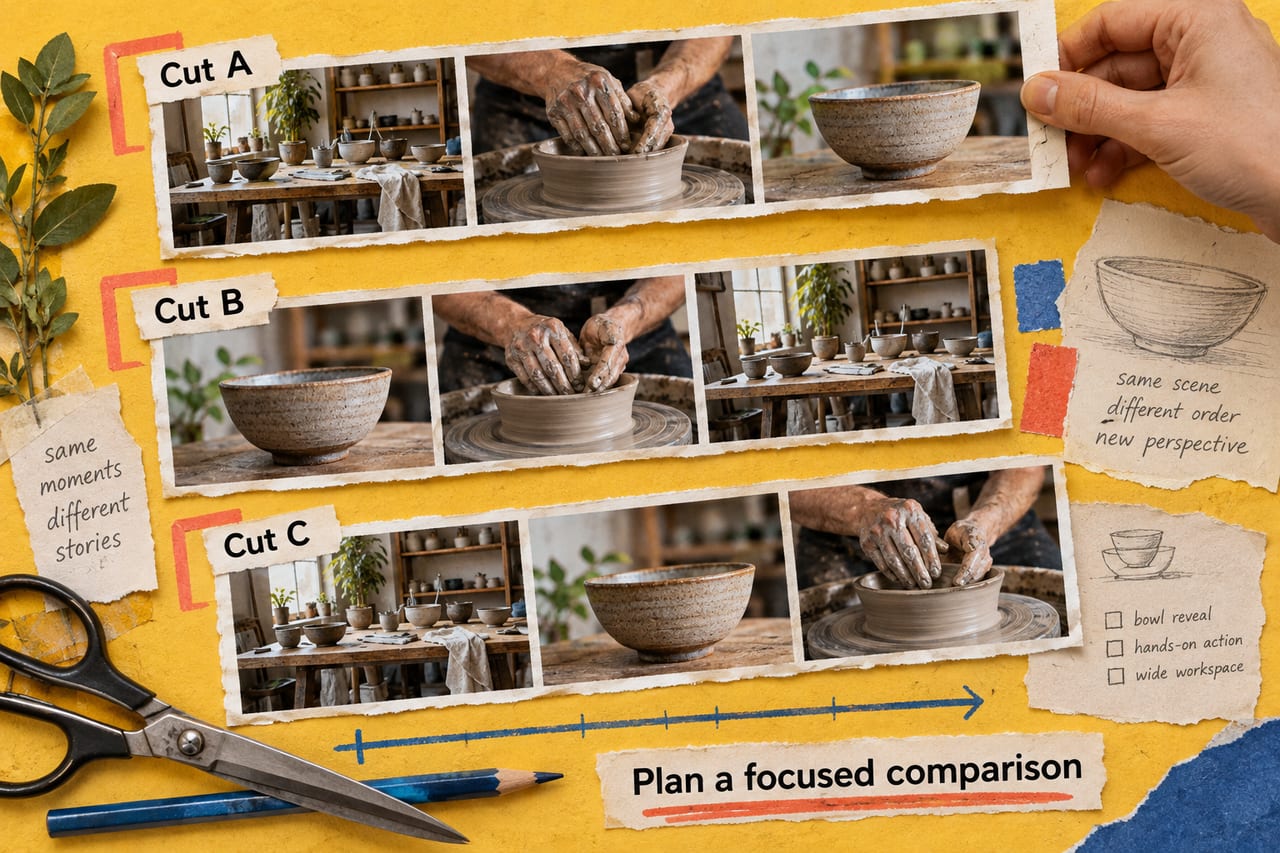
Example only: a repair channel has a ten-minute tutorial. Cut A begins with a broken device, cut B shows the repaired device, and cut C states the repair cost. The underlying tutorial stays the same. If YouTube eventually serves comparable audiences to each cut, the creator can learn more about the opening than from comparing three separate uploads on different days.
Common mistakes to avoid
Do not change the title, thumbnail, upload timing and entire edit at once and then credit the opening for any difference. Do not declare a winner from a handful of views. Do not optimize only for the first seconds if the rest of the video breaks the promise. A strong hook that disappoints viewers later can be a poor editorial choice even when it increases initial attention.
Also distinguish announced from available to your channel. Product screens, eligibility and metrics can change during rollout. Once the tool appears, read the current YouTube Studio help text before following an old screenshot guide.
Frequently asked questions
Can I A/B test three video edits on YouTube right now?
The September 23 announcement calls this capability “coming soon.” Check your Studio account for access; do not assume every channel has it yet.
Is this the same as thumbnail A/B testing?
No. Existing title-and-thumbnail experiments test how a video is presented. The announced feature tests alternate cuts of the video.
Will it work for Shorts?
The announcement does not specify Short-form eligibility. Wait for official product documentation.
Sources and reporting notes
Checked October 3, 2026: YouTube's Made on YouTube creator-tools announcement, September 23. The three-cut repair example and proposed test design are editorial illustrations; YouTube has not published full video A/B testing controls in that announcement.